
Call 815-710-3700 to Schedule a Free Consultation

-

- Home
- Attorneys
- Dave Carlson
- Craig P. Mannarino
- Amanda L. Brasfield
- John Fotopoulos
- Kristina K. Green
- Allen N. Schwartz
- Michael S. Shinsky
- Jeffrey C. Schwartz
- Paul D. Richter
- Jacqueline Brody Kanter
- Eva E. Golabek
- Erin R. Doyle
- Caitlin K. Finnegan
- David A. Brody
- Olivia N. Schwartz
- Michael Burke
- Michael F. Sullivan
- Colin T. Henry
- Mac Hertz
- Alex Sharif
- Danielle Lay
- Personal Injury
- Criminal Defense
- Media
- Blog
- Contact
How Black Box Data Can Prove Fault in Serious Truck Accident Cases
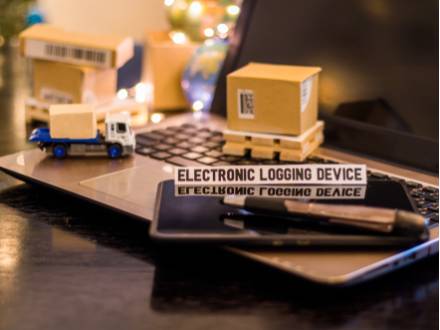 When a serious truck accident happens, one of the most powerful pieces of evidence available is the data stored inside the truck itself. Commercial trucks are equipped with electronic logging devices and event data recorders, often called black boxes, that capture important information about what the truck was doing in the moments before a crash.
According to the Federal Motor Carrier Safety Administration, commercial trucks are required to use electronic logging devices that record data about hours of service, speed, and vehicle movement. That data has become one of the most important sources of evidence in serious truck accident cases. If you were hurt in a truck accident and are pursuing compensation, our Joliet, IL truck accident lawyers can help you get that data before it disappears.
What Is a Black Box and What Does It Record?
The term black box refers to two separate but related devices found in most commercial trucks. The first is an event data recorder, or EDR, which captures a snapshot of the truck's mechanical data in the seconds before and during a crash. The second is an electronic logging device, or ELD, which tracks the driver's hours and the truck's movement over a longer stretch of time.
Together, these devices can capture a wide range of information that directly relates to who was at fault. That information can include:
-
Vehicle speed at the time of the crash and in the seconds leading up to it
-
Whether and when the brakes were applied
-
Steering input before and during the collision
-
Engine throttle position
-
Seatbelt use
-
How long the driver had been on the road, and whether federal rest rules were followed
-
GPS location data showing where the truck was and how it was moving
This data is objective. It cannot be changed by anyone's memory or account of what happened after the fact.
Why Does Black Box Data Matter for Proving Fault in a Truck Accident Case?
Truck accident cases are often complicated by conflicting stories about what happened. The truck driver, the trucking company, and their insurance carrier all have a reason to minimize their liability, and they move quickly after a crash to protect themselves. Black box data cuts through those competing stories and gives you an objective record of what the truck was actually doing.
For example, if the driver claims they were going a safe speed and braked in time, but the EDR shows the truck was well over the speed limit with no braking before impact, that data directly contradicts the driver's account. If the ELD shows the driver had been on the road longer than federal law allows under 49 C.F.R. § 395.3, which sets hours of service limits for commercial truck drivers, that data can support a claim that fatigue caused the crash.
What Is a Spoliation Letter and Why Does It Matter for a Truck Accident Case?
A spoliation letter is a formal written demand sent to the trucking company and other relevant parties requiring them to preserve all evidence related to the crash. This includes black box data, maintenance records, driver logs, and any communications about the accident. Sending this letter quickly after a crash is one of the first and most important things an attorney can do for you.
Once the trucking company receives a spoliation letter, they are on notice that a lawsuit is coming and that allowing evidence to be destroyed or overwritten can result in serious legal consequences. This letter creates a record that protects your ability to use that evidence later.
What Other Evidence Works Alongside Black Box Data for an Illinois Truck Accident Claim?
Black box data is strong on its own, but it works best when combined with other evidence that fills in the full picture of what happened. Other key pieces of evidence in serious truck accident cases include:
-
The truck's maintenance and inspection records, which can show whether the vehicle was properly cared for
-
The driver's personnel file and training records
-
Drug and alcohol test results taken after the crash
-
Dashcam or surveillance footage from the scene
-
Witness statements from other drivers or bystanders
-
Accident reconstruction analysis from a qualified expert
Pulling all of this together quickly takes real resources, experience, and the right connections to make it happen.
What Should You Do After a Serious Truck Accident in Illinois?
The first step after a truck accident should always be to get medical attention. After that, do not give a recorded statement to the trucking company's insurance carrier before talking to an attorney. Insurance adjusters work for the trucking company, not for you, and anything you say can be used to lower your claim.
The trucking company's legal team often starts building its defense within hours of a crash, and you need someone fighting for you just as fast.
Under 735 ILCS 5/13-202, the statute of limitations for personal injury claims in Illinois is two years from the date of the accident. Missing that deadline means losing the right to pursue compensation entirely.
Schedule a Free Consultation With Our Will County, IL Truck Accident Attorneys
Truck accident cases involving black box data require resources, experience, and connections that make a real difference in what you recover. The Joliet, IL truck accident lawyers at Carlson Law Group, P.C. are part of the Schwartz Jambois firm, a large and highly rated personal injury practice with the resources to take on trucking companies and their insurers on equal footing.
Attorney Carlson brings nearly 25 years of legal experience to these cases, including time as both a judge and a prosecutor. That means he has a perspective on how these cases are built and how they are won that most attorneys simply do not have. Call 815-710-3700 to talk about your accident and find out what the evidence in your case may be able to prove.

Contact us today or call
815-710-3700 to schedule
a complimentary consultation
to discuss your legal options.

Our firm provides legal help to clients in Joliet, Will County, and the surrounding areas, including Plainfield, Bolingbrook, Romeoville, Lemont, Homer Glen, Mokena, New Lenox, Channahon, Minooka, Shorewood, Crest Hill, Lockport, Kankakee, and Morris.
Results listed are not a guarantee or indication of future case results.
58 N. Chicago St., Suite 700, Joliet, IL 60432
P815-710-3700